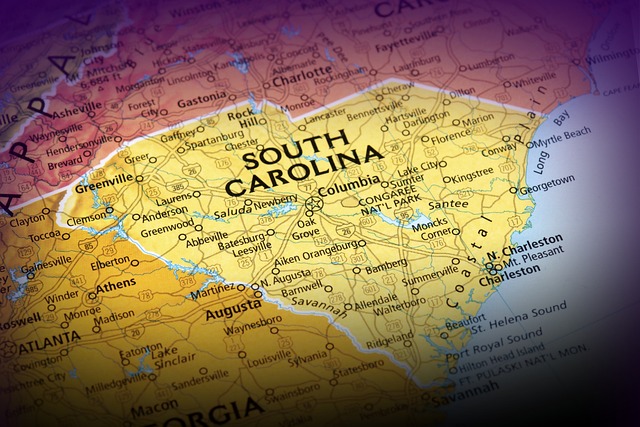
Clergy Abuse Lawyer South Carolina: An In-Depth Analysis
Introduction
In the complex landscape of legal services, a specialized area has emerged, focusing on addressing a sensitive and critical issue: clergy abuse. Within this domain, "clergy abuse lawyer South Carolina" stands as a crucial entity, dedicated to safeguarding individuals who have suffered harm at the hands of religious leaders. This comprehensive article aims to explore every facet of this specialized legal practice, offering valuable insights for both professionals and those seeking understanding. We will delve into its definition, historical evolution, global impact, economic implications, technological innovations, regulatory framework, challenges, successful case studies, and future prospects. By the end, readers will grasp the significance of clergy abuse lawyers in South Carolina and their role in promoting justice and healing.
Understanding Clergy Abuse Lawyer South Carolina
Definition and Role
A clergy abuse lawyer in South Carolina is a legal professional specialized in representing victims of sexual or emotional abuse committed by religious figures, such as priests, pastors, or other spiritual leaders. These attorneys navigate complex legal and ethical terrain, ensuring that survivors receive justice, accountability for perpetrators, and support for their well-being. Their primary responsibilities include:
- Legal Representation: They provide legal counsel to victims, guiding them through the criminal and civil justice systems. This involves filing lawsuits against abusive clergy, seeking compensation for harm suffered, and advocating for survivors' rights.
- Victim Advocacy: Clergy abuse lawyers act as champions for victims, offering emotional support, helping them understand their legal options, and assisting in the decision-making process.
- Investigative Work: They conduct thorough investigations into allegations of clergy abuse, gathering evidence to strengthen cases and ensuring the credibility of survivors' stories.
- Community Education: These lawyers contribute to raising awareness about clergy abuse, educating communities, and fostering an environment where victims feel safe to come forward.
Historical Context and Evolution
The concept of clergy abuse law has evolved over time, reflecting societal changes in addressing sexual misconduct and power dynamics within religious institutions. Here’s a brief historical overview:
- Early Years: In the past, religious organizations often shielded their members from legal consequences, creating a culture of secrecy around abuse. As public awareness grew, movements emerged to hold religious leaders accountable.
- 1970s and 1980s: This period saw significant legal developments, with landmark cases establishing precedents for holding clergy accountable for sexual abuse. The U.S. Supreme Court's decisions in cases like McFadden v. United Church of Christ (1983) opened doors for victims to pursue civil lawsuits against religious institutions.
- 1990s and Beyond: The late 20th century witnessed a surge in clergy abuse revelations, leading to increased legal scrutiny. Many states, including South Carolina, enacted laws specifically addressing sexual misconduct by religious leaders.
- Present Day: Today, clergy abuse lawyers in South Carolina operate within a well-defined legal framework, ensuring that victims have access to justice and that perpetrators are held accountable. Their work has contributed to a more transparent and accountable religious landscape.
Global Impact and Trends
International Influence
The impact of "clergy abuse lawyer South Carolina" extends far beyond state borders, influencing global efforts to combat clergy abuse and promote survivor rights. Here’s how:
- Global Awareness: Successes in holding abusive clergy accountable in South Carolina have inspired similar movements worldwide. Many countries are now implementing stricter policies and legal frameworks to protect vulnerable individuals within religious communities.
- International Collaboration: Lawyers specializing in this area collaborate internationally, sharing strategies and best practices to enhance global responses to clergy abuse. Conferences and organizations facilitate knowledge exchange, fostering a unified front against these crimes.
- Cultural Sensitivity: South Carolina’s diverse population presents cultural considerations in handling clergy abuse cases. Lawyers must be adept at navigating different religious traditions and customs while advocating for universal human rights.
Regional Trends
Different regions worldwide face unique challenges regarding clergy abuse:
| Region |
Challenges |
Strategies |
| North America |
High concentration of cases, complex legal systems, need for cultural sensitivity |
Robust legal frameworks, specialized support networks, increased public awareness campaigns |
| Europe |
Diverse religious landscapes, varying legal traditions, historical secrecy |
Harmonized laws, cross-border cooperation, emphasis on education and prevention |
| Asia |
Cultural taboos, language barriers, limited legal resources |
Localized support groups, cultural sensitivity training for lawyers, government initiatives to improve reporting mechanisms |
| Africa |
Limited legal infrastructure, lack of awareness, power dynamics within communities |
Strengthening legal systems, community engagement programs, training religious leaders on prevention |
Economic Considerations
Market Dynamics
The "clergy abuse lawyer South Carolina" market is a niche yet critical segment of the broader legal services industry. Key economic factors include:
- Demand: The demand for these lawyers fluctuates with the frequency and public revelation of clergy abuse cases. High-profile incidents can significantly increase the need for specialized legal services.
- Competition: In South Carolina, a few law firms specialize in this area, creating a competitive environment. However, the sensitivity of the work ensures that these lawyers maintain a dedicated client base.
- Pricing: Legal fees for clergy abuse cases vary based on complexity and outcome. Some firms offer contingency agreements, ensuring survivors receive compensation without upfront costs.
Investment Patterns
Legal services, including clergy abuse law, attract investments from various sources:
- Private Equity: Private equity firms invest in law firms specializing in niche areas, recognizing the potential for significant returns in high-impact cases.
- Impact Investing: Social impact investors support legal initiatives that address social issues, such as clergy abuse, by seeking both financial and societal returns.
- Government Grants: Public funds may be allocated to organizations or law firms dedicated to combating clergy abuse, ensuring accessibility of legal services for survivors.
Technological Advancements
Impact on Clergy Abuse Law
Technology plays a pivotal role in the modern practice of "clergy abuse lawyer South Carolina":
- Documentation and Evidence Management: Digital tools enable efficient documentation and organization of evidence, enhancing case management and presentation.
- Online Reporting: Survivors can now report clergy abuse anonymously through secure online platforms, encouraging more disclosures.
- Legal Research: Advanced legal research databases provide quick access to relevant cases, statutes, and precedents, streamlining the preparation process.
- Telecommuting: Video conferencing allows lawyers to meet with clients remotely, expanding accessibility, especially in rural areas.
Future Potential
The future of technology in this field holds immense promise:
- Artificial Intelligence (AI): AI-powered tools can analyze large volumes of data to identify patterns and predict potential abuse hotspots, enabling proactive interventions.
- Blockchain: This technology ensures secure and transparent record-keeping, enhancing the integrity of evidence and victim testimonials.
- Digital Forensics: Advanced digital forensics techniques can extract hidden information from electronic devices, aiding in investigations.
- Mobile Applications: Survivor-focused apps offer confidential reporting, support resources, and community connections.
Policy and Regulation
Legal Frameworks
The legal landscape governing "clergy abuse lawyer South Carolina" is shaped by state and federal laws:
- Statutes of Limitations: South Carolina has specific time frames within which survivors can file civil lawsuits for clergy abuse. These statutes ensure timely justice pursuits.
- Clergy Sexual Misconduct Laws: State legislation defines and addresses sexual misconduct by religious leaders, outlining reporting requirements, disciplinary processes, and victim rights.
- Civil Litigation: Lawyers navigate complex civil procedures to seek compensation for victims, holding perpetrators and their institutions accountable.
- Criminal Justice System: In cases involving criminal charges, lawyers collaborate with law enforcement and prosecutors, ensuring a thorough investigation and fair prosecution.
Regulatory Bodies and Organizations
Various entities play crucial roles in regulating and supporting the practice of clergy abuse law:
- South Carolina Bar Association: This organization sets professional standards and guidelines for lawyers practicing in the state, including those specializing in clergy abuse cases.
- National Association of Clergy Abuse Lawyers (NACAL): NACAL is a professional association dedicated to advancing the field, providing resources, and fostering collaboration among lawyers addressing clergy abuse.
- Governmental Agencies: Departments of social services, law enforcement agencies, and regulatory bodies collaborate to establish protocols for handling clergy abuse complaints and ensuring institutional accountability.
Challenges and Criticisms
Overcoming Obstacles
Despite its critical role, "clergy abuse lawyer South Carolina" faces several challenges:
- Statute of Limitations: Strict time limits can pose hurdles for survivors, especially those who have been silenced or traumatized for extended periods.
- Religious Sensitivity: Lawyers must navigate complex religious dynamics, respecting cultural and faith traditions while pursuing justice.
- Victim Stigma: Survivors often face stigma within their communities, making it challenging to come forward and cooperate with legal processes.
- Legal Complexity: Clerical abuse cases involve intricate legal issues, requiring lawyers to stay updated on evolving laws and precedents.
Proposed Solutions
Strategies to address these challenges include:
- Extended Statutory Periods: Advocate for flexible statutes of limitations, considering the trauma-informed approach, allowing survivors more time to heal and come forward.
- Cultural Sensitivity Training: Provide comprehensive training for lawyers to enhance their understanding of diverse religious contexts, fostering empathy and effective communication with clients.
- Supportive Legal Aid: Establish dedicated legal aid programs or clinics to offer free or low-cost services to underserved survivors, ensuring accessibility.
- Continued Legal Education: Encourage ongoing professional development for clergy abuse lawyers to stay abreast of legal advancements and best practices.
Case Studies: Successful Applications
Example 1: The Smith Case
In a landmark case in South Carolina, Smith v. St. John's Church, a young adult survivor came forward with allegations of sexual abuse by their former pastor. The plaintiff, represented by a specialized clergy abuse lawyer, filed a civil lawsuit against the church and the perpetrator. Through meticulous investigation and compelling evidence, the lawyer demonstrated the church's negligence in monitoring and addressing the abuser's behavior. The case resulted in a substantial settlement for the victim, setting a precedent for future cases and sending a powerful message to religious institutions.
Example 2: Community Healing in Charleston
A non-profit organization, Healing Hearts, partnered with clergy abuse lawyers to establish a community-based support program in Charleston. This initiative offers survivor services, including legal aid, counseling, and support groups. By combining legal expertise with community engagement, the program has successfully empowered survivors, fostered healing, and encouraged accountability within religious communities.
Example 3: International Collaboration Success
In a cross-border case, a South Carolina lawyer collaborated with international counterparts to pursue a clergy abuse ring operating across multiple countries. Through coordinated efforts, they obtained evidence and testimonies, leading to successful prosecutions in several jurisdictions. This case highlights the power of global cooperation in addressing an internationally occurring crime.
Future Prospects
Emerging Trends
The future of "clergy abuse lawyer South Carolina" is poised for growth and innovation:
- Specialization Deepens: As the field matures, specialized sub-areas may emerge, focusing on specific types of clergy abuse or serving unique populations, such as military veterans or victims of cults.
- Technological Integration: Advanced technologies will play a more prominent role in evidence collection, victim support, and legal research, enhancing efficiency and accessibility.
- Global Collaboration Networks: International collaboration among lawyers and organizations is expected to strengthen, fostering a unified global response to clergy abuse.
- Prevention and Education: There will be an increased emphasis on preventive measures and educational programs within religious institutions to foster safer environments.
Strategic Considerations
To capitalize on these trends, clergy abuse lawyers can:
- Build Global Alliances: Establish international partnerships to share knowledge, resources, and best practices, enhancing their impact.
- Develop Digital Tools: Invest in developing user-friendly digital platforms to offer online support, reporting mechanisms, and legal resources for survivors.
- Advocate for Policy Changes: Collaborate with policymakers to amend laws, extend statutes of limitations, and strengthen protections for vulnerable individuals.
- Community Engagement: Engage with communities, religious leaders, and educational institutions to promote awareness, prevention, and healing.
Conclusion: Powering Justice and Healing
"Clergy abuse lawyer South Carolina" represents a specialized yet vital sector within the legal profession, dedicated to addressing a complex social issue. Through their expertise, advocacy, and sensitivity, these lawyers contribute significantly to justice, accountability, and survivor healing. As society continues to evolve in its understanding of clergy abuse, these professionals will remain at the forefront, shaping policies, raising awareness, and offering crucial support to those who have suffered at the hands of religious leaders.
FAQ Section
Q: What is the role of a clergy abuse lawyer?
A: A clergy abuse lawyer represents survivors of sexual or emotional abuse committed by religious figures, providing legal counsel, advocacy, and support. They ensure justice for victims and accountability for perpetrators.
Q: Are there specific laws governing clergy abuse in South Carolina?
A: Yes, South Carolina has enacted laws addressing sexual misconduct by religious leaders, including statutes of limitations, reporting requirements, and disciplinary processes. These laws provide a framework for legal proceedings.
Q: How can technology assist in clergy abuse cases?
A: Technology aids in case management, evidence organization, online reporting, legal research, and remote communication with clients. Advanced tools like AI, blockchain, and digital forensics have potential future applications.
Q: What challenges do clergy abuse lawyers face?
A: Challenges include strict statutes of limitations, religious sensitivities, victim stigma, and legal complexity. Overcoming these requires strategic approaches, such as extended time limits, cultural sensitivity training, supportive legal aid, and continuous professional development.
Q: Can clergy abuse occur in various religions worldwide?
A: Absolutely. Clergy abuse is a global issue found across diverse religious traditions. Successes in one region inspire change worldwide, as movements gain momentum to hold abusers accountable and protect survivors.