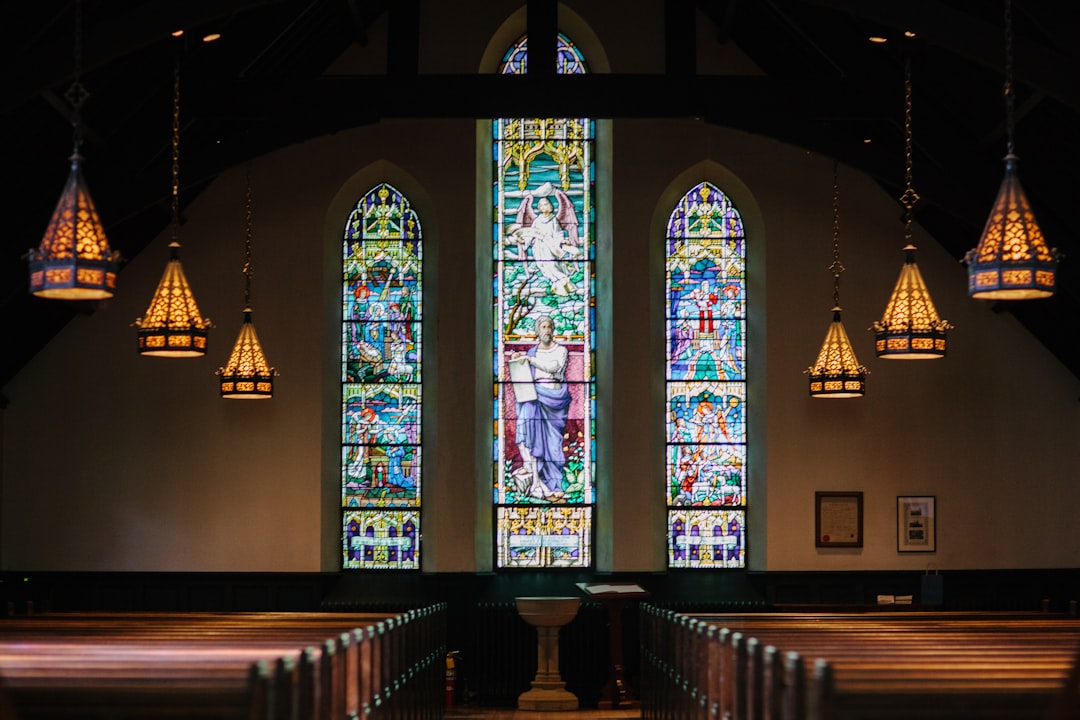
Victims of sexual misconduct within South Carolina religious organizations have specific laws in their favor. A competent clergy abuse law firm South Carolina can guide victims through complex legal processes, ensuring justice and compensation. These specialized firms offer crucial guidance, representation, and support, collecting evidence, interviewing witnesses, and advocating for victims' interests while managing sensitive issues. Selecting an experienced firm with expertise in church law is vital for successful lawsuits, requiring rigorous evidence collection and powerful testimony. Additionally, these firms connect clients with counseling and victim advocacy resources for holistic healing and personal growth.
In South Carolina, the impact of clergy abuse can have devastating and lasting effects on victims. Understanding your rights under the state’s specific clergy abuse laws is essential for those seeking justice. This comprehensive guide navigates the legal process, offers strategies for choosing the right clergy abuse law firm in SC, and provides resources to support survivors. From gathering evidence and testimony to healing after a lawsuit, this article equips victims with knowledge to take the first step towards recovery.
Understanding Clergy Abuse Law in South Carolina

In South Carolina, clergy abuse cases are governed by a unique set of laws that recognize and protect victims of sexual misconduct within religious organizations. If you’re considering taking legal action against a cleric or church for abuse suffered during your time as a congregant, understanding the state’s specific legislation is crucial. A competent clergy abuse law firm South Carolina can provide invaluable guidance on navigating these complex legal matters.
South Carolina has implemented laws that address sexual misconduct within religious institutions, offering victims a means to seek justice and hold perpetrators accountable. These laws outline clear guidelines regarding consent, privacy, and the responsibilities of clergy members in safeguarding their congregants, especially minors. Familiarizing yourself with these regulations is an essential step before initiating legal proceedings against a cleric or church for abuse.
Navigating Legal Process for Victims' Justice

Navigating the legal process can be daunting, especially when seeking justice for past injustices. For victims of clergy abuse in South Carolina, understanding their rights and options is a crucial step. Many turn to experienced clergy abuse law firms in South Carolina for guidance and representation. These specialized legal teams are equipped to handle complex cases involving sensitive issues, ensuring that victims’ voices are heard and their interests protected throughout the process.
The journey towards justice often involves filing a lawsuit, which requires careful preparation and adherence to strict legal procedures. A reputable clergy abuse law firm in South Carolina can assist clients in gathering evidence, interviewing witnesses, and constructing a compelling case. They advocate for victims’ rights, ensuring they receive the support and compensation they deserve while navigating the intricate legal landscape surrounding clergy abuse cases.
Choosing the Right Clergy Abuse Law Firm

When navigating a clergy abuse lawsuit in South Carolina, selecting the appropriate clergy abuse law firm is an essential step. It’s crucial to find a legal team with extensive experience handling such sensitive cases, deep knowledge of state-specific laws, and a proven track record of success. Look for firms specializing in church law and sexual misconduct cases, as they will have the expertise to guide you through the complexities of your situation.
Consider attorneys who have a strong understanding of the psychological and emotional toll these abuses can take on victims. You want a clergy abuse law firm that approaches each case with compassion, ensuring you receive not only legal representation but also support throughout the process. Reputable firms will offer a confidential consultation to assess your case, provide clear communication about potential outcomes, and fight tirelessly for justice.
Building a Solid Case: Evidence & Testimony

Building a solid case for a clergy abuse lawsuit in South Carolina involves meticulously gathering evidence and securing compelling testimony. This process requires victims to brave the often challenging task of reliving traumatic experiences while also navigating complex legal procedures. A reputable clergy abuse law firm in South Carolina will guide clients through this phase, ensuring every detail is documented accurately. Evidence may include medical records, police reports, and any communications with the accused or church authorities. Testimonies from witnesses who observed the abuse or have knowledge of its impact can be pivotal.
The strength of these pieces lies not only in their authenticity but also in how they intertwine to paint a clear picture of the harm inflicted. A skilled attorney understands the importance of each element and strategically incorporates them into the case, aiming to present a compelling narrative that demands justice for victims and holds perpetrators accountable.
Supporting Survivors: Resources & Healing After Suit

After navigating the often complex and emotionally taxing process of filing a clergy abuse lawsuit, survivors require comprehensive support and resources to facilitate their healing journey. A trusted clergy abuse law firm in South Carolina can play a pivotal role in this regard, offering more than just legal representation. These firms typically provide access to specialized counselors and therapists who understand the unique challenges faced by victims of such abuse. Group therapy sessions and peer support networks can also be valuable tools for individuals seeking to process their experiences and build resilience.
Additionally, many law firms partner with organizations dedicated to victim advocacy, offering a suite of services designed to empower survivors. This may include legal aid hotlines, financial assistance programs, and educational workshops focused on personal growth and well-being. Such holistic support is crucial in helping individuals recover from the trauma they have endured, allowing them to focus on rebuilding their lives with dignity and hope.