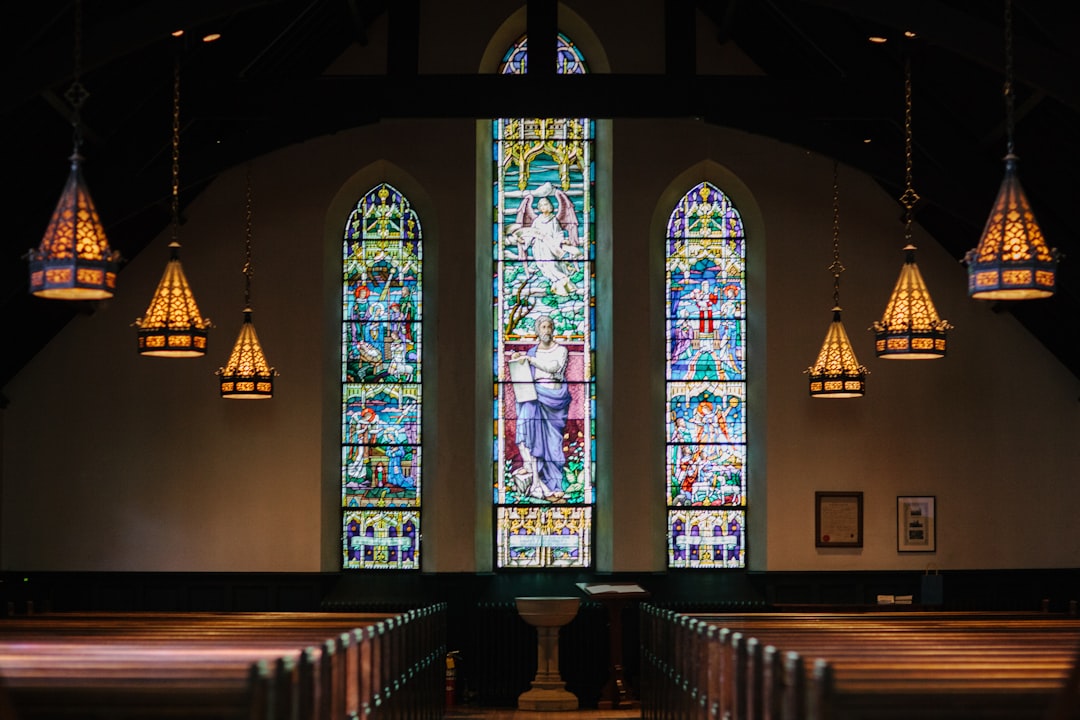
Clergy abuse attorneys South Carolina navigate complex legal issues for survivors, ensuring rights are protected. Survivors face unique challenges in close-knit communities, but specialized support groups, counseling, and advocacy offer healing. Recent litigation sets precedent. Key steps include documenting interactions, reporting incidents promptly, and seeking expert advice. Attorney expertise aids in evidence gathering, mediation, and achieving fair compensation. South Carolina combines legal, psychological, and community resources to empower survivors and hold institutions accountable.
The spiritual sanctuary of religious institutions has long been a haven for those seeking solace, guidance, and community. Yet, within these walls, some have suffered profound trauma at the hands of clergy members, leading to complex legal battles for justice and healing. In South Carolina, survivors of clergy abuse face unique challenges when pursuing their rights, necessitating the expertise of specialized clergy abuse attorneys. This article delves into the intricate legal landscape surrounding these sensitive cases, offering a comprehensive guide for those seeking redress, with a focus on the critical role played by South Carolina’s legal advocates specializing in this field.
Understanding Clerical Abuse in South Carolina

Clerical abuse, a deeply sensitive and complex issue, has had a significant impact on communities across South Carolina. This phenomenon refers to any form of mistreatment or exploitation by members of the clergy, including sexual abuse, emotional manipulation, or other forms of harassment. In recent years, survivors have gained more voices, leading to increased awareness and a growing need for understanding and support. The state’s legal landscape plays a critical role in empowering survivors through the provision of legal rights and avenues for justice.
South Carolina laws offer protections for victims of clerical abuse, ensuring they can seek accountability and healing. Clerical abuse attorneys South Carolina are well-versed in navigating these legal complexities. They assist survivors in understanding their rights, which may include civil lawsuits against abusive clergy or institutions. These cases often involve delicate matters requiring expert handling to ensure the privacy and dignity of the survivors while pursuing justice. For instance, a recent case highlighted successful litigation against a religious organization for its failure to address historical abuse within its ranks.
An essential aspect of healing is recognizing the patterns and indicators of clerical abuse. Survivors may exhibit psychological trauma symptoms or display behavioral changes. It’s crucial for both individuals and communities to educate themselves on these signs, fostering an environment where survivors feel safe to come forward. This process involves not only legal support but also counseling and community resources tailored to meet the unique needs of each survivor. By combining legislative efforts and awareness campaigns, South Carolina is taking significant steps towards addressing clerical abuse effectively.
Legal Definitions & Scrutiny: Establishing Liability

In South Carolina, the legal definitions and scrutiny of clergy abuse establish liability through a multifaceted approach. The state’s laws recognize that certain types of conduct by religious leaders can constitute sexual or physical abuse, especially when occurring within the context of spiritual care. Clergymen and religious organizations are held to a higher standard of care due to their position of trust and authority. Clergy abuse attorneys South Carolina emphasize that this includes protecting individuals from exploitation, coercion, or any form of mistreatment during their interaction with clergy members.
Key legal definitions play a crucial role in these cases. For instance, “sexual misconduct” is broadly defined to encompass a range of behaviors, from unwanted sexual advances to actual sexual contact. Similarly, “physical abuse” is not limited to severe injuries but includes instances where a cleric’s actions cause emotional distress or pain. These definitions are scrutinized by courts to ensure that the rights of survivors are protected and that liable parties can be held accountable.
Practical insights from clergy abuse attorneys South Carolina highlight the importance of documentation and timely reporting. Survivors should keep records of any interactions with clergy members that may indicate abuse, including dates, locations, and details of incidents. Promptly reporting such instances to relevant authorities or trusted individuals can facilitate an investigation and preserve evidence crucial for establishing liability. Moreover, experts suggest that survivors seek support from specialized counseling services to help them navigate the legal process while addressing their emotional well-being.
The Role of Clergy Abuse Attorneys SC

In South Carolina, clergy abuse survivors face unique challenges when pursuing justice. The role of clergy abuse attorneys is paramount in navigating complex legal landscapes and advocating for victims’ rights. These specialists possess an understanding of both state laws and the specific dynamics surrounding religious institutions, making them invaluable allies. Their expertise involves thoroughly investigating claims, compiling relevant evidence, and strategically communicating cases to ensure survivors receive fair compensation.
One significant aspect of their work is educating survivors on their legal options. Many victims may believe they have no recourse due to the sensitive nature of abuse within religious contexts. Clergy abuse attorneys in South Carolina can dispel these misconceptions, guiding clients through state statutes that protect against sexual misconduct and civil rights violations. For instance, SC Code Ann. § 10-1-73 et seq. addresses sexual exploitation and assault within religious organizations, providing a legal framework for survivors to seek redress.
Additionally, these attorneys play a crucial role in mediating settlements. They negotiate with insurance companies and church leaders, ensuring survivors receive adequate compensation for the trauma they’ve endured. Data suggests that well-represented victims are more likely to achieve just outcomes. A study by the National Center for Victims of Crime highlights the importance of legal representation in clergy abuse cases, demonstrating higher settlement rates and average awards when attorneys are involved. This underscores the vital role clergy abuse attorneys South Carolina perform in empowering survivors to find healing and accountability.
Evidence & Documentation for Compensation

For survivors of clergy abuse in South Carolina, pursuing compensation is a critical step towards justice and healing. Evidence and documentation play an indispensable role in these cases, as they form the backbone of any legal claim. The process requires meticulous care to ensure the strength and validity of the evidence, which can be challenging given the sensitive nature of the subject matter. Survivors should seek the assistance of experienced clergy abuse attorneys South Carolina to navigate this intricate aspect of the litigation.
One of the primary challenges in these cases is gathering credible and admissible evidence. This may include medical records detailing physical or psychological injuries resulting from the abuse, therapy notes, and any available documentation from the religious institution involved. For instance, a survivor’s medical provider can offer crucial insights through properly obtained and authenticated records. Additionally, expert testimony from professionals like psychologists or child welfare specialists can significantly strengthen a case by providing specialized knowledge on the long-term effects of clergy abuse. In South Carolina, such evidence has been instrumental in securing substantial settlements for survivors.
Practical advice for survivors is to organize and preserve all relevant documents meticulously. This includes creating digital backups and ensuring that records are accurately dated and stored securely. Additionally, documenting one’s experiences through detailed journals or diaries can serve as valuable firsthand accounts. When presenting this evidence, clergy abuse attorneys South Carolina will employ strategic methods to ensure its admissibility in court, often involving the verification of authenticity and relevance by relevant authorities or experts. By adhering to these guidelines, survivors can significantly enhance their chances of securing compensation and holding perpetrators accountable.
Support & Resources for Survivors in SC

In South Carolina, survivors of clergy abuse face unique challenges when seeking justice and healing. Accessing support and resources tailored to their specific needs is crucial for a comprehensive recovery process. Many victims may feel isolated or unsure where to turn for help, especially within the tightly-knit communities often associated with religious institutions. Recognizing this critical gap, several organizations and initiatives have emerged to offer specialized assistance.
One of the primary avenues for support is through clergy abuse attorneys South Carolina who specialize in handling such delicate cases. These legal professionals are equipped not only with a deep understanding of state laws but also the sensitivity required to navigate the complex emotional landscape of survivors. They play a vital role in helping individuals understand their rights, pursuing legal redress, and ensuring that institutions accountable for the abuse are held to task. For instance, a recent case in South Carolina highlighted successful litigation against a church leadership for its failure to protect a minor from sexual abuse within the congregation, setting a precedent for similar future actions.
Beyond legal recourse, support groups facilitated by experts in trauma recovery and psychologists offer safe spaces for survivors to share their experiences and connect with peers facing similar challenges. These groups provide an opportunity for emotional validation, peer support, and practical advice on coping mechanisms. Additionally, state-funded resources like counseling services and victim advocacy organizations offer crucial assistance, ensuring survivors receive the care they need to rebuild their lives. By combining legal, psychological, and community support, South Carolina is making strides in empowering clergy abuse survivors to break free from silence and pursue healing and justice.